
Facade Engineering & Custom Facade Design: Finding the Right Pro Installer in Miami

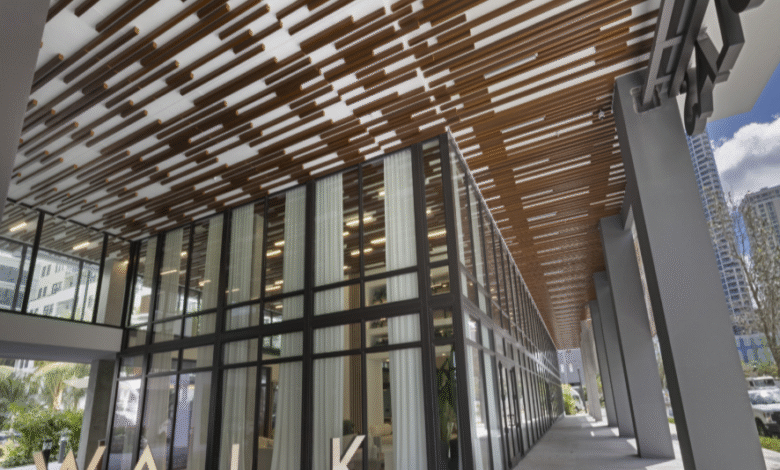
Why the Facade Defines Your Building
A building’s facade is the handshake it extends to the world. It’s the first thing people see, and it shapes perceptions instantly—especially in Miami, where architecture is part of the city’s cultural DNA. Whether it’s a sleek clinic, a boutique storefront, or a mid‑rise office, the right facade tells a story.
But a beautiful facade isn’t just about appearance. In Miami’s harsh coastal climate, it must resist salt‑laden air, intense UV rays, hurricane‑force winds, and torrential rain. That’s where facade engineering and custom facade design come in—turning a building’s exterior into both an aesthetic statement and a high‑performance shield.
And when you’re looking for a pro facade installer, you need more than someone who can hang panels. You need a team that understands the science behind the structure, respects the design intent, and delivers with precision.
What Is Facade Engineering, Really?
Facade engineering is the art and science of designing the building’s outer skin so that it not only looks good but works hard.
A facade engineer’s job is to balance beauty and performance. They ask:
- Will this facade withstand 150‑mph hurricane winds?
- Can it handle Miami’s relentless sun without fading or warping?
- Will water sneak in and cause mold?
- How do we manage expansion and contraction of materials in the heat?
Think of it as the technical backbone behind every stunning exterior. Without it, a facade may look good for a year or two before cracks, leaks, or structural issues appear.
Custom Facade Design: Why One‑Size‑Fits‑All Won’t Cut It
Every building has its own personality, purpose, and site conditions. A clinic on Brickell Avenue needs a different face than a wellness retreat in Coconut Grove. That’s where custom facade design shines.
Instead of using generic cladding or off‑the‑shelf panels, a custom design considers:
- Building identity – modern, minimal, or organic?
- Neighborhood character – should it blend or stand out?
- Climate considerations – how to manage heat, water, and salt air?
- Material performance – which metals, glass, or composites will hold up?
The result is a tailored solution—not a cookie‑cutter look—that reflects the brand, protects the building, and performs for decades.
Why Installation Is Where Everything Comes Together
Even the best‑designed facade can fail if installation is sloppy. Precise installation is the make‑or‑break phase—where calculations meet craftsmanship.
A professional facade installer doesn’t just attach panels; they:
- Align every joint to exact tolerances.
- Anchor components to withstand storm loads.
- Seal and flash connections to block water intrusion.
- Integrate systems—glazing, shading, signage—without compromising performance.
In Miami, this isn’t optional. Poorly installed facades don’t just look bad—they can leak, warp, or even fail catastrophically during storms.
The Facade Process: From Concept to Completion
A proper facade project follows a sequence that blends design vision, engineering rigor, and skilled installation.
Vision & Consultation
The process starts with a clear vision. What should the building communicate? Sleek modernity? Warm hospitality? Bold innovation?
Custom Facade Design
Architects and designers sketch out concepts. Material palettes are curated—glass, metal, stone, composite panels. Lighting strategies and textures are discussed.
Facade Engineering
Engineers step in to stress‑test the design. They calculate wind loads, thermal movement, waterproofing strategies, and structural requirements.
Shop Drawings & Fabrication
Detailed drawings turn ideas into precise fabrication specs. Many components are prefabricated in controlled environments to ensure accuracy and consistency.
Installation & Execution
This is where the pro facade installer takes the lead—aligning panels, integrating sealants, adjusting tolerances, and executing the design in real‑world conditions.
Miami’s Unique Challenges for Facade Projects
Working in Miami is not like working in Chicago or Phoenix. Here’s why facade engineering is non‑negotiable:
- Hurricane codes – Facades must withstand Category 5 winds.
- Salt air corrosion – Coastal buildings face aggressive deterioration without the right materials and coatings.
- Relentless sun – UV breaks down lesser finishes quickly.
- Tropical rains – Heavy downpours demand bulletproof water management.
Custom design and expert installation anticipate all of these realities, ensuring the building not only looks striking but holds up over decades.
Choosing the Right Pro Facade Installer in Miami
Finding the right team is critical. Here’s what to look for:
✅ Technical experience – Can they handle engineered systems, not just basic siding?
✅ Portfolio variety – Do they have examples of custom projects, not just standard builds?
✅ Knowledge of codes – Are they fluent in Miami‑Dade and Florida requirements?
✅ Attention to detail – Are joints, trims, and finishes executed perfectly?
✅ Collaboration mindset – Do they work seamlessly with designers and engineers?
The best installers treat a facade like a craft, not just a construction task.
Materials That Make a Difference
Different materials offer different benefits, and the right installer knows how to handle each:
- Aluminum panels – Lightweight, corrosion‑resistant, highly customizable.
- Glass systems – Provide natural light but require precise engineering to resist wind pressure.
- Stone veneer – Offers a timeless feel but must be anchored carefully.
- Perforated metal – Doubles as shading and decorative cladding.
- Composite panels – Affordable, durable, and versatile for curved or complex designs.
A true pro understands how to cut, handle, and install these materials so they perform and last.
The Hidden Benefits of a Well‑Engineered Facade
A well‑designed and installed facade isn’t just about looks—it pays off in many ways:
- Energy efficiency – Better insulation and shading cut cooling bills.
- Reduced maintenance – Quality materials and workmanship mean fewer repairs.
- Property value – A stunning exterior increases curb appeal and resale value.
- Brand trust – For clinics, offices, or storefronts, the facade sends a message of professionalism and care.
Custom Facade Design Trends in Miami
Miami is a playground for architectural creativity. Here are current facade trends:
- Dynamic shading systems – Movable fins or louvers that shift with the sun.
- Back‑lit panels – Adds drama and visibility at night.
- Green walls – Vertical planting for a biophilic touch.
- Mixed textures – Combining glass, metal, and stone for layered impact.
These trends demand installers who aren’t afraid of complexity.
The Future: Smart & Sustainable Facades
Tomorrow’s facades won’t just sit there—they’ll think and react. Coming innovations include:
- Solar‑integrated cladding – Panels that generate electricity.
- Self‑cleaning coatings – Surfaces that shed dirt and grime automatically.
- Adaptive facades – Elements that shift for weather, privacy, or shading.
An experienced installer today needs to be ready for the technologies of tomorrow.
Mistakes to Avoid When Hiring a Facade Installer
❌ Choosing the cheapest bid – Bargain crews often cut corners, costing more later.
❌ Ignoring engineering input – Skipping calculations leads to failures.
❌ Not checking experience – Ask for past work, references, and site visits.
❌ Forgetting about maintenance access – A facade should be serviceable long term.
How the Right Installer Elevates Custom Facade Design
Even the best concept dies on the wall without execution. The right installer:
- Honors the architect’s intent.
- Brings engineering requirements to life safely.
- Ensures every joint, panel, and corner lines up perfectly.
- Makes the building’s “face” a true reflection of its purpose and identity.
Final Word
In Miami, a facade isn’t just an afterthought—it’s the building’s calling card, its shield, and its first impression.
- Facade engineering makes sure it performs.
- Custom facade design makes sure it inspires.
- And a skilled facade installer brings it all together.
When those three elements align, you don’t just get a wall—you get a legacy.